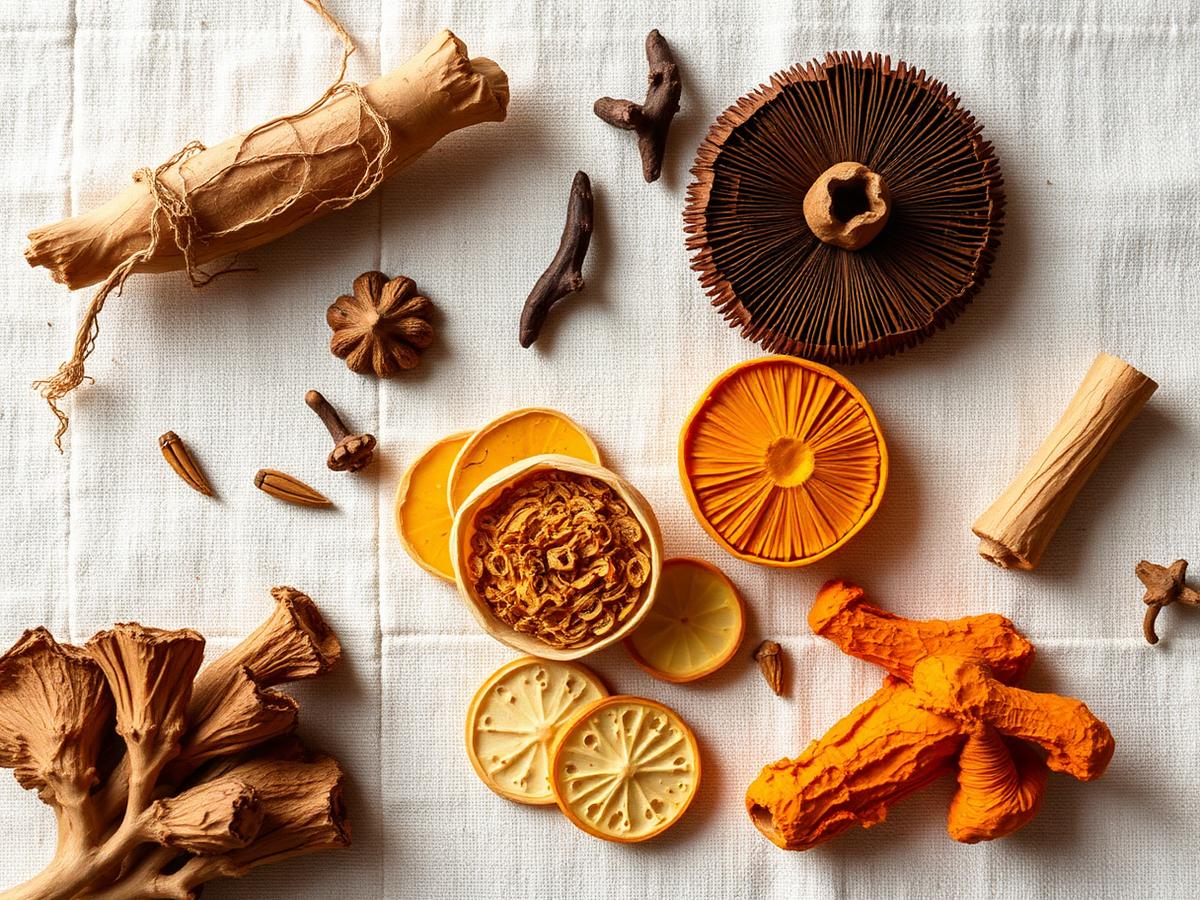
Cordyceps: The Ancient Energy Mushroom Athletes Swear By
From Tibetan mountain herders to modern pre-workout blends — the story of Cordyceps, how it earned its energising reputation, and what to look for on the label.
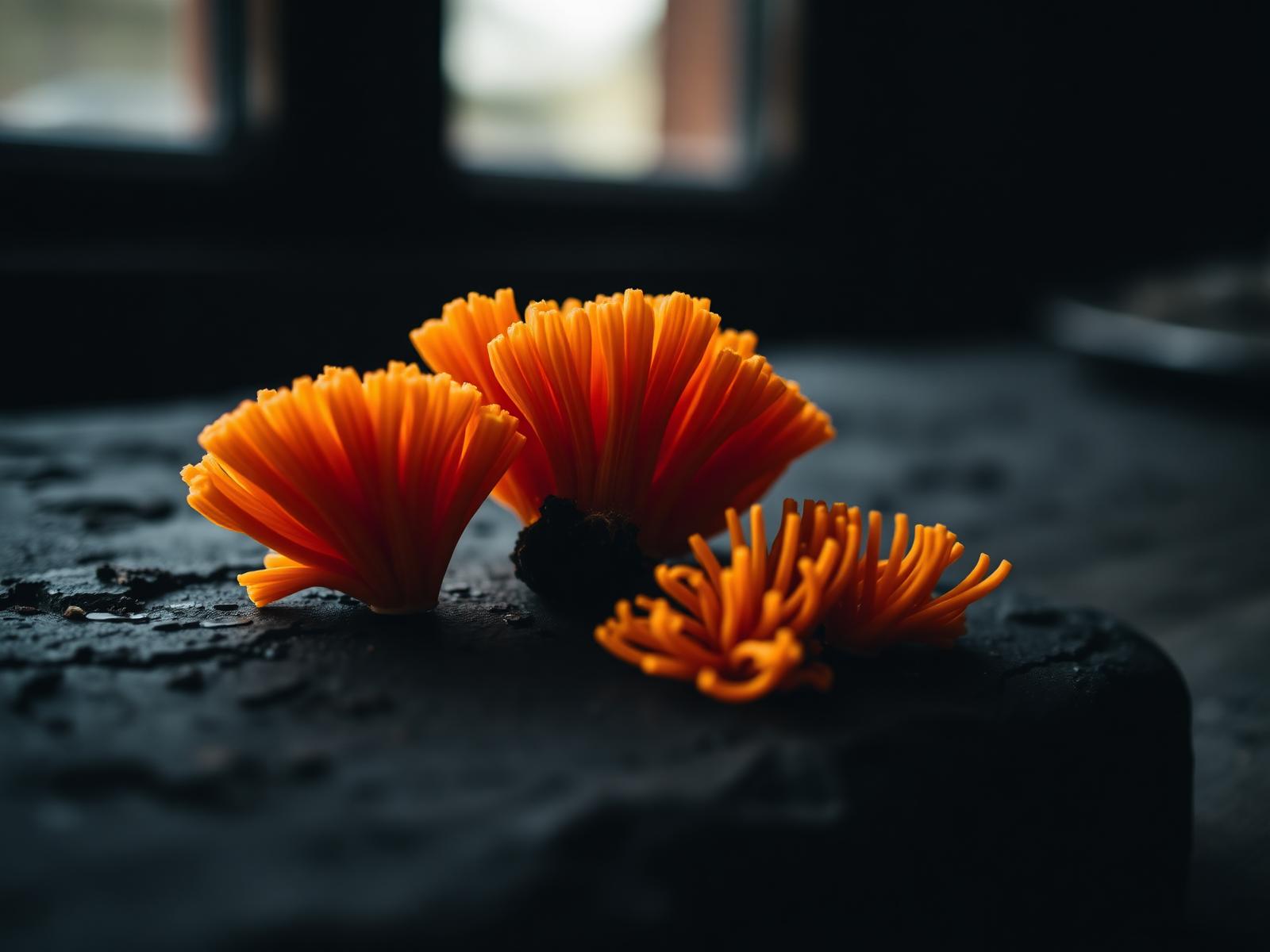
If you've spent any time in the supplement aisle lately, you've probably noticed Cordyceps popping up in pre-workout blends and energy products. But this isn't a new trend. Cordyceps has a strange and storied history that goes back centuries, long before it became a gym bag staple.
A mushroom with a wild origin story
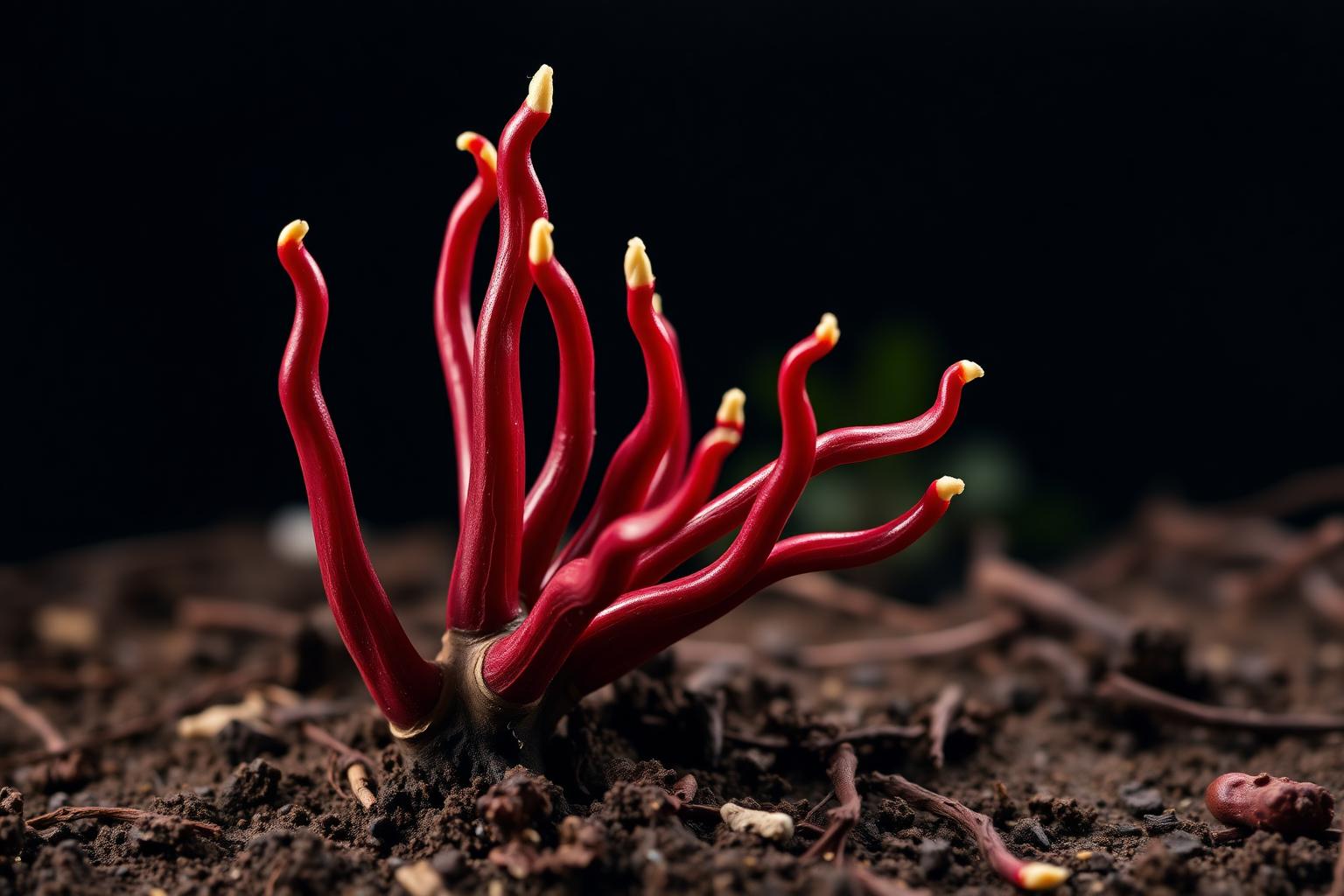
Cordyceps is famous for its unusual life cycle. In the wild, certain species of Cordyceps grow on insect larvae high in the mountains of Tibet and China, eventually sprouting a thin stalk from the host. Herders first noticed their yaks becoming more energetic after grazing on grass where this fungus grew, which is how Cordyceps entered traditional Chinese medicine as a prized tonic.
Don't worry — the Cordyceps in your supplement isn't insect based. Nearly all commercial Cordyceps today is Cordyceps militaris or lab cultivated Cordyceps sinensis, grown on rice or another substrate, which makes it both more sustainable and more affordable than the wild variety.
Why it's known as an "energy" mushroom
Cordyceps' reputation centres on its potential to support physical stamina and endurance, which is a big part of why it's so popular with athletes. Some research has also looked at its effect on how the body uses oxygen during exercise. And unlike caffeine heavy stimulants, many people describe the energy from Cordyceps as steady, without the jittery crash that can come with other options.
The compound most associated with these effects is cordycepin, which has been a major focus of scientific interest. As with most mushroom research, human studies are still fairly limited, so it's best to think of Cordyceps as a potential daily support rather than a guaranteed performance enhancer.
How to add it to your routine
Cordyceps is typically taken as a powder, mixed into pre-workout drinks, coffee, or smoothies. Tinctures are another popular option for anyone who wants a fast absorbing way to take it without much fuss.
Many people take it in the morning or before physical activity, since its reputation is built around energy and stamina rather than relaxation.
What to look for when buying
Cordyceps can vary a lot in quality from brand to brand, so it helps to know what you're actually paying for.
The species matters more than most people realise. Cordyceps militaris is the most common and well studied cultivated species, so it's a safe and reliable choice if you're not sure where to start.
It's also worth thinking about how the mushroom was grown. Mycelium is the living body of the fungus itself, so it's not automatically a lower quality option. The thing to watch for is mycelium grown on grain where the fungus and the leftover rice or oats are dried and ground together into one product. In that case, a meaningful portion of what you're buying can be starch rather than fungal material, which makes the potency harder to judge. Products made from the fruiting body, or from mycelium that's been properly separated from its grain substrate, give you a clearer sense of what you're actually getting.
And finally, look for a brand that's willing to back up its claims with testing. A company that tests for purity and potency, and is upfront about the results, is generally one you can trust a little more than one that just markets around vague promises.
The takeaway
Cordyceps has gone from a rare mountain remedy to one of the most accessible mushrooms on the market. Its energising reputation makes it a natural fit for anyone looking for a plant based alternative, or complement, to their morning caffeine or workout routine.
Keep reading
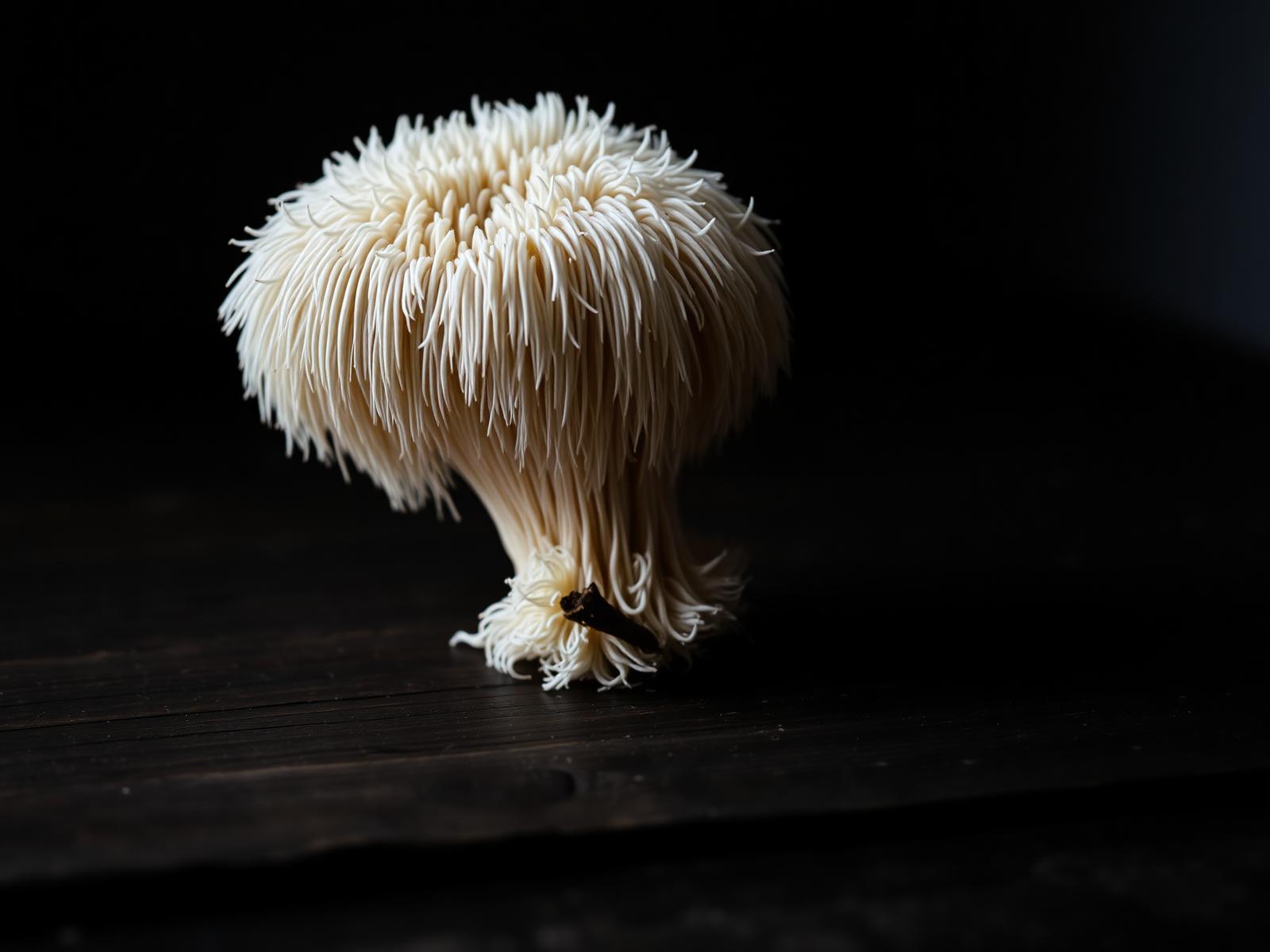
Lion's Mane: The Brain-Boosting Mushroom You've Probably Never Heard Of
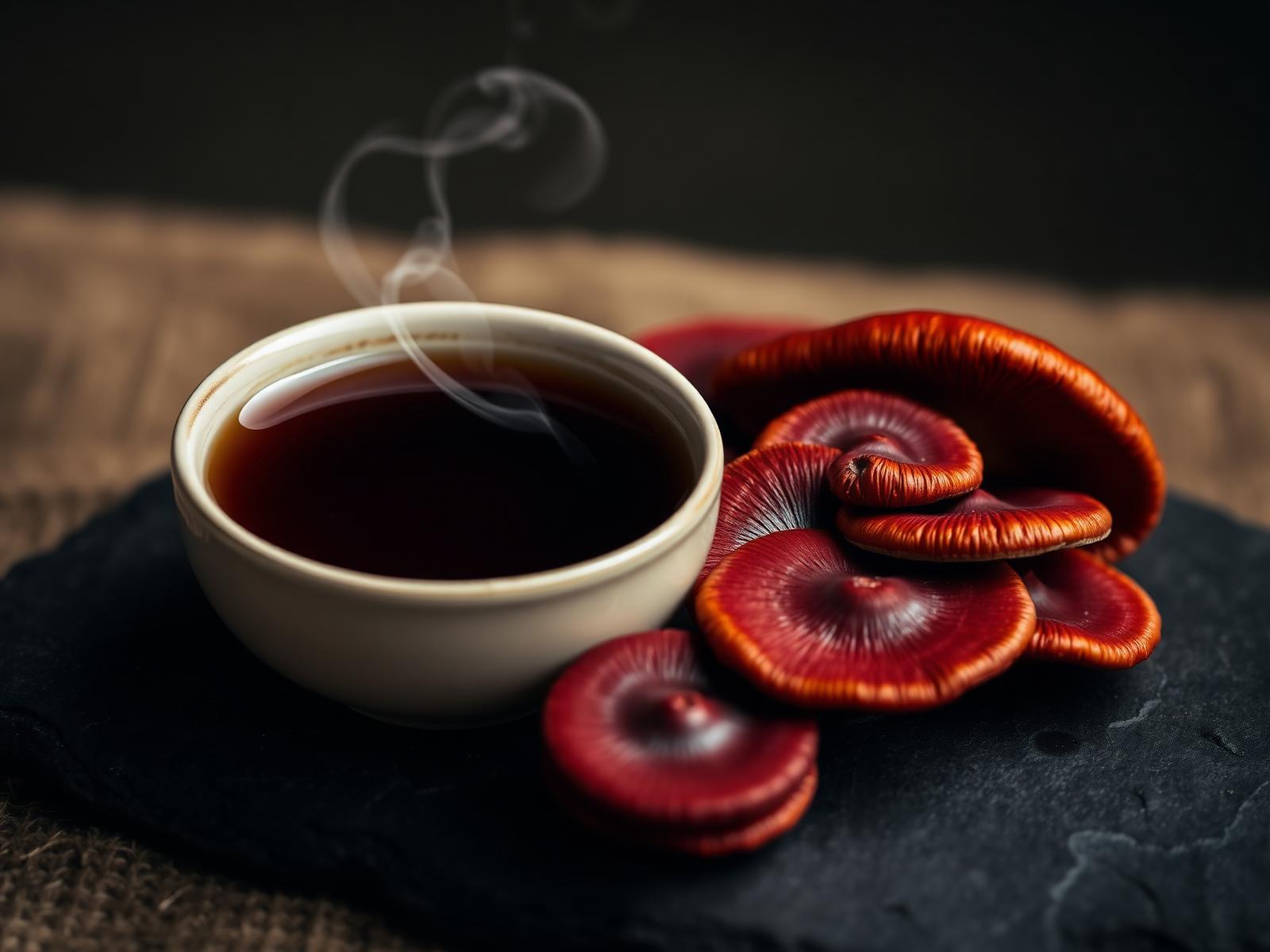
Reishi: The "Mushroom of Immortality" for Modern Day Calm
Reishi for Men and Women: A Complete Guide to the Benefits
The Power of Reishi for Stress and Sleep
Lion's Mane and Brain Health: What the Science Says