Lion's Mane: The Brain-Boosting Mushroom You've Probably Never Heard Of
A shaggy white mushroom with a growing reputation for focus, mood and nerve health — what makes Lion's Mane worth paying attention to, and how to buy it well.
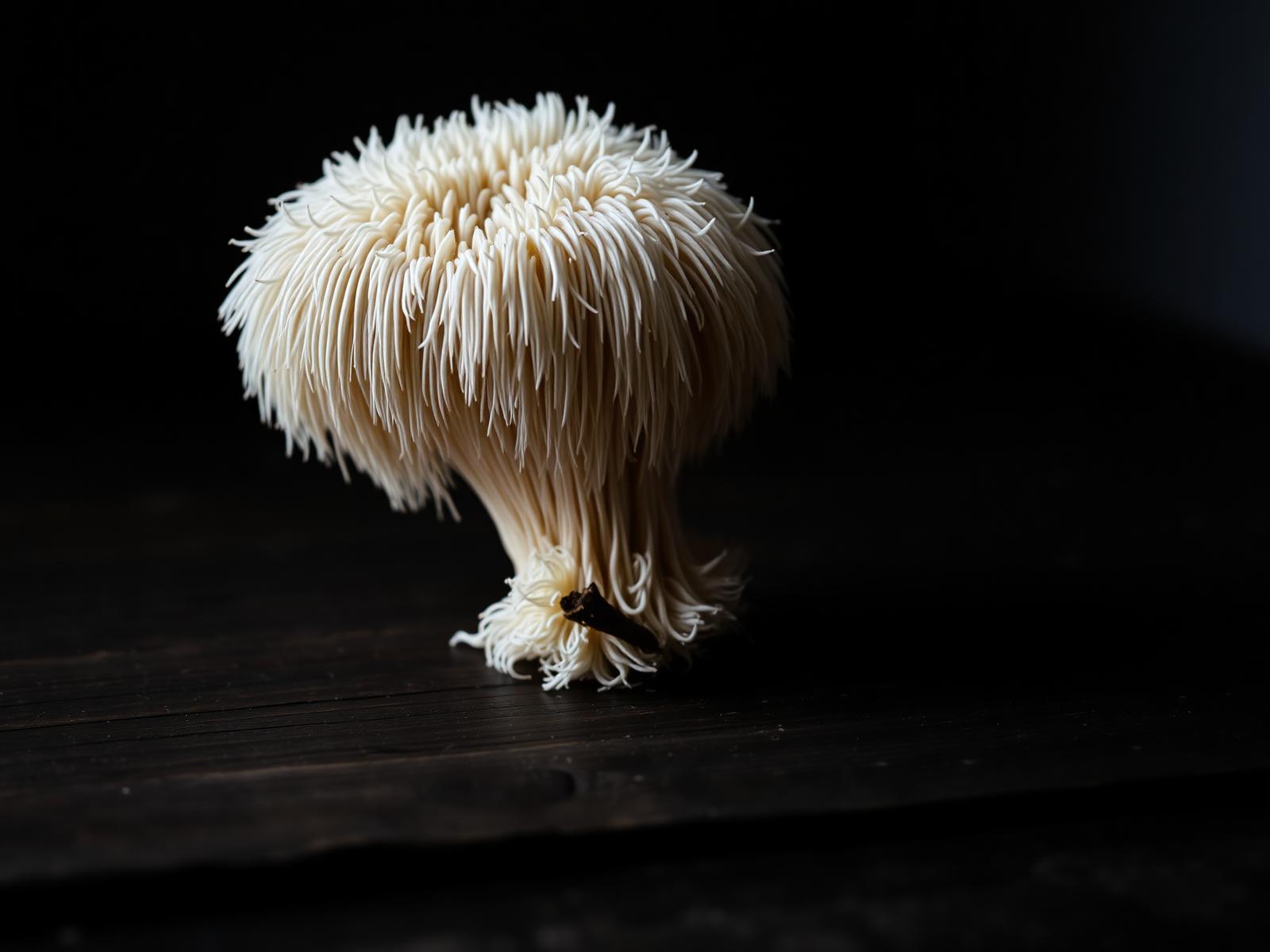
Walk through a forest in late summer and you might spot something that looks more like a cascading waterfall of icicles than a mushroom, growing on the side of a hardwood tree. That's Lion's Mane (Hericium erinaceus), and despite its unusual looks, it has quietly become one of the most talked about mushrooms in the wellness world.
What is Lion's Mane?
Lion's Mane gets its name from its shaggy, white, cascading spines, which do bear a passing resemblance to a lion's mane. It has a long history of use in traditional Chinese and Japanese practices, where it was valued as both a food and a tonic. In the kitchen, it's prized for a texture and flavour often compared to crab or lobster, which is why chefs sometimes call it the "seafood of the forest".
Why people are paying attention
Lion's Mane has become popular mainly because of interest in two unique compound families it produces: hericenones and erinacines. Researchers have studied these compounds for their potential role in supporting nerve growth factor (NGF), a protein important for the growth and maintenance of neurons.
This has made Lion's Mane a favourite among people who are curious about cognitive support, including focus, mental clarity, and memory. It's also drawn attention for mood and stress resilience, since many users report feeling calmer and more even through the day. Nervous system health more broadly is an area that keeps drawing scientific interest.
It's worth being honest here. While early research is promising, much of it comes from animal studies or small human trials. Lion's Mane isn't a treatment for any medical condition, and anyone with a health concern should talk to a doctor rather than relying on a mushroom alone.
How people use it
Lion's Mane shows up in a few different forms depending on how you like to take it. Some people cook with it fresh or dried, sautéing it like a meaty vegetable. Others prefer it as a powder, stirred into coffee, tea, or a morning smoothie. Tinctures are also popular for anyone who wants something quick and easy to work into a routine without much prep.
Most people take it consistently over weeks rather than expecting an overnight change, the same way you'd approach any new daily habit.
What to look for when buying
Not all Lion's Mane products are created equal, and a little label reading goes a long way toward getting something worth your money.
The fruiting body versus mycelium question is a bit more nuanced than it's often made out to be. Mycelium is the actual living network of the fungus, so it's not a lesser or fake version of the mushroom. Interestingly, erinacines — one of the two key compound groups Lion's Mane is known for — are found mainly in the mycelium rather than the fruiting body. The real issue is when mycelium is grown on grain and the whole thing, fungus and leftover grain together, gets dried and sold as the final product. In those cases, a lot of what you're paying for can end up being starch rather than mushroom. What you want is either a pure fruiting body extract, or a mycelium product that's clearly grown and processed without leftover grain filler.
From there, pay attention to how transparent the brand actually is. Companies that are proud of their process will usually tell you where the mushroom was grown, how it was extracted, and roughly what concentration you're getting. If a label is vague about all of this, take it as a hint to keep looking.
Finally, look for some kind of third party testing. It doesn't need to be complicated, but knowing that someone outside the company has verified the product's purity and potency gives you real peace of mind, rather than just taking a brand's word for it.
A few things to keep in mind
Lion's Mane is generally well tolerated, but as with any supplement, it's worth checking with a healthcare provider if you're pregnant, nursing, or taking medication. And when it comes to noticing benefits, consistency tends to matter far more than how much you take on any single day.
The takeaway
Lion's Mane sits at a fascinating intersection of ancient food tradition and modern neuroscience curiosity. Whether you're drawn to it for its unique flavour in the kitchen or its reputation as a "smart mushroom", it's a wonderful entry point into the world of functional mushrooms.
Keep reading
Reishi: The "Mushroom of Immortality" for Modern Day Calm
Cordyceps: The Ancient Energy Mushroom Athletes Swear By
Reishi for Men and Women: A Complete Guide to the Benefits

The Power of Reishi for Stress and Sleep
Lion's Mane and Brain Health: What the Science Says