Reishi: The "Mushroom of Immortality" for Modern Day Calm
Once reserved for emperors, Reishi is now a quiet evening ritual for calm, sleep and immune support — here's what makes it different, and how to choose a good one.
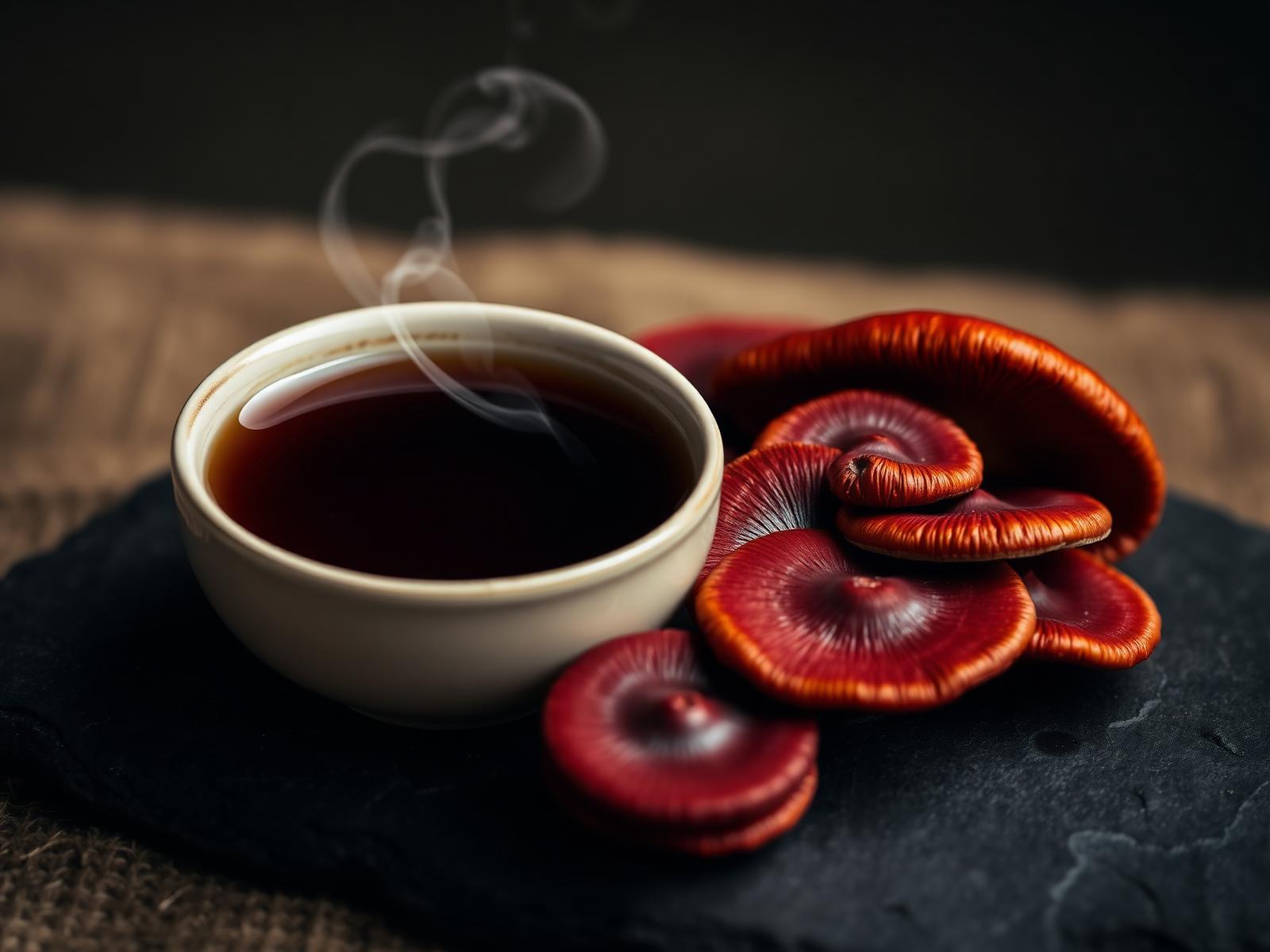
Long before wellness trends and adaptogen lattes, there was Reishi — a glossy, reddish brown mushroom so revered in East Asian history that it earned the nickname "the mushroom of immortality". Emperors reportedly sought it out, and it appears in Chinese art and medicine dating back thousands of years. Today, it's found in a much more approachable form, from teas to tinctures, for people looking to unwind.
What makes Reishi different
Unlike Lion's Mane or Cordyceps, which are often associated with focus or energy, Reishi (Ganoderma lucidum) has built its reputation around calm. It has a notably bitter, woody taste, which is part of why it's rarely eaten fresh and almost always consumed as an extract, powder, or tea.
Reishi contains compounds called triterpenes and beta-glucans, both of which have drawn significant interest from researchers studying immune function and the body's stress response.
Why people reach for Reishi
Reishi is most commonly associated with relaxation and stress support, often described as calming without being sedating. Many people also turn to it for sleep quality, taking it in the evening as part of a wind down routine. And one of the most researched areas of its traditional use is immune system support.
As with all functional mushrooms, it's important to set realistic expectations. Reishi isn't a sleep aid or medical treatment, and while the research is promising, it's still developing. It's best viewed as a supportive daily habit rather than a quick fix.
How to take Reishi
Powder is a popular choice, added to tea, hot cocoa, or golden milk, where its bitterness actually pairs nicely with warming spices. Tinctures are another common option, usually alcohol or glycerin based extracts taken under the tongue or mixed into water. And then there's tea itself, the traditional method, usually simmered rather than steeped, given how tough the mushroom is.
Many people take Reishi in the evening, pairing it with a wind down routine, though it can really be taken any time of day.
What to look for when buying
Reishi is one of those mushrooms where quality really does make a difference, so it's worth knowing a few things before you buy.
Look for what's called dual extraction, meaning the product was made using both water and alcohol extraction. Reishi's beneficial compounds come in two types — some dissolve in water and some in alcohol — so a single extraction method alone tends to leave a lot of the good stuff behind.
It also helps to know what you're getting when it comes to mycelium versus fruiting body. Mycelium is the actual living network of the fungus, so it isn't a lesser ingredient on its own. The concern is mostly with mycelium grown on grain, where the whole batch — fungus and leftover rice or oats included — gets dried and sold together. That can leave you with a product that's partly starch rather than mushroom, which makes it hard to know how much you're really getting. Fruiting body extracts, or mycelium that's been clearly separated from its grain substrate, tend to give a more reliable and concentrated dose.
Lastly, keep an eye out for testing, especially for heavy metals. Reishi has a tendency to absorb minerals from wherever it's grown, so a brand that tests for this and shares the results is one that's taking quality seriously.
The takeaway
Reishi has earned its ancient nickname honestly. For centuries, people have turned to it as a steady companion for calm, resilience, and long term wellbeing. In a world that often feels like it's speeding up, Reishi is a reminder that some of the best wellness tools are the oldest ones.
Keep reading
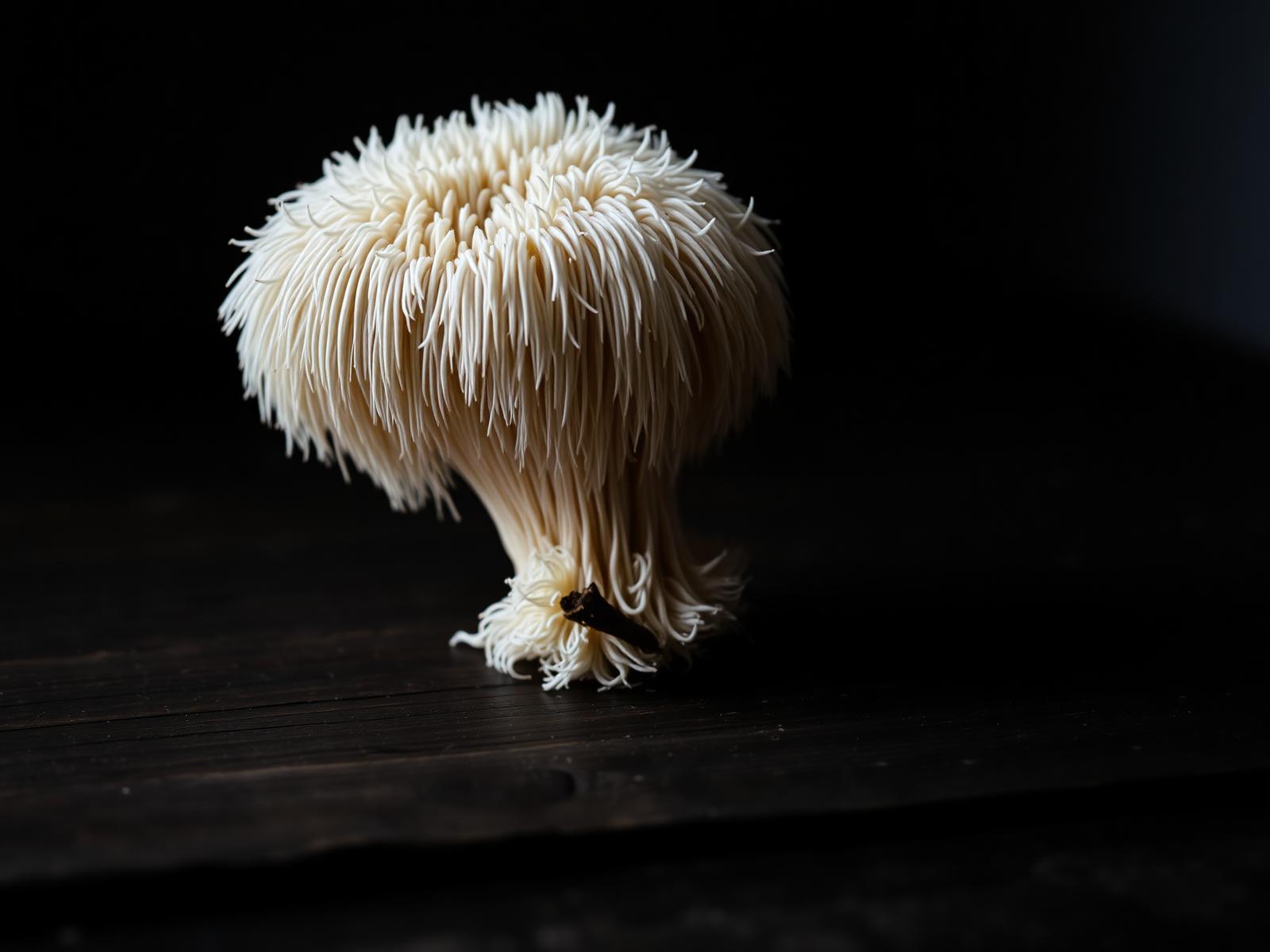
Lion's Mane: The Brain-Boosting Mushroom You've Probably Never Heard Of
Cordyceps: The Ancient Energy Mushroom Athletes Swear By
Reishi for Men and Women: A Complete Guide to the Benefits
The Power of Reishi for Stress and Sleep
Lion's Mane and Brain Health: What the Science Says