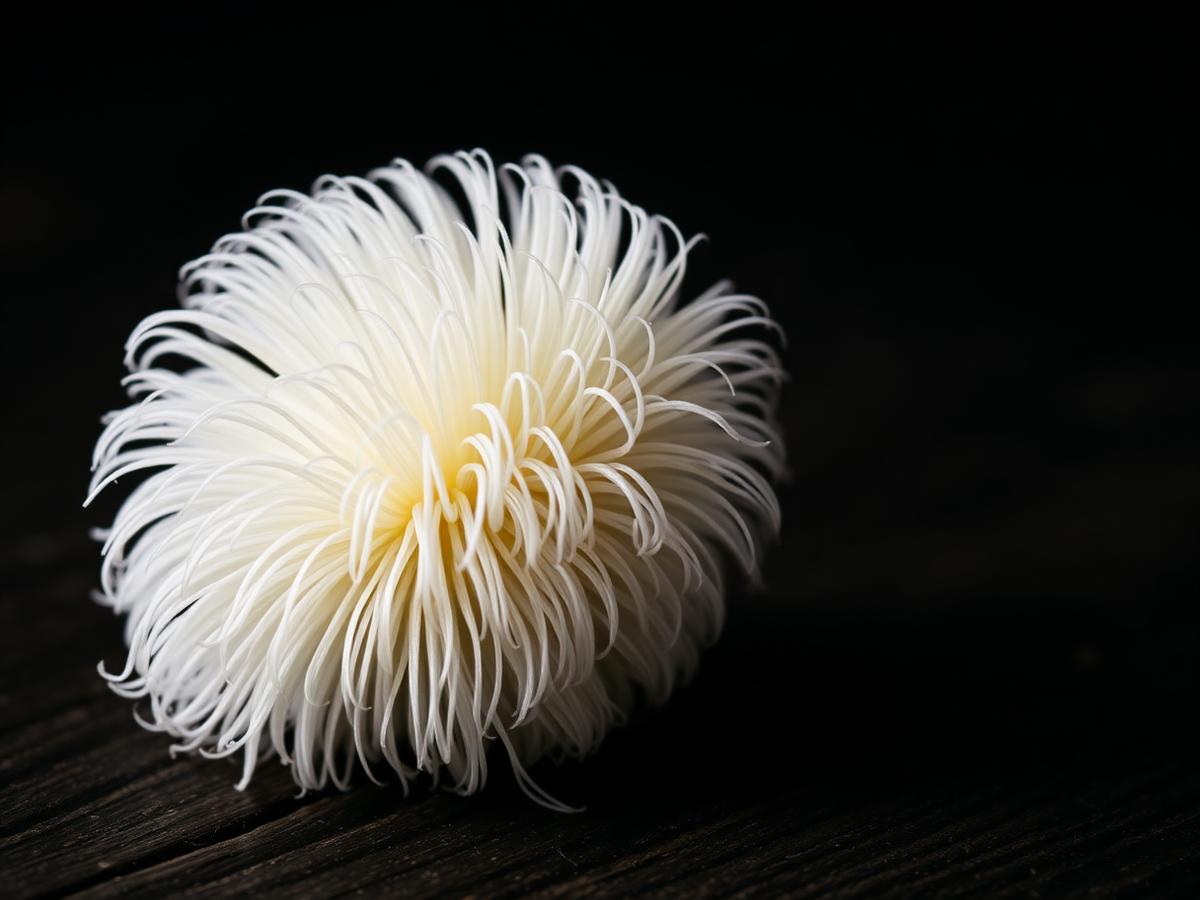
What Are Adaptogens, and Why Do They Matter
A short primer on a poorly defined word: the history, the criteria, and why mushrooms quietly outperform most herbs in the category.

The word adaptogen was coined by Soviet scientist Nikolai Lazarev in 1947 to describe substances that help the body resist stress, whether physical, chemical or biological. To qualify, a compound has to be non-toxic, produce a non-specific response, and have a normalising effect, bringing the body back toward balance regardless of which direction it has drifted.
By that definition, the list is short. Ginseng, Rhodiola, Ashwagandha and a handful of medicinal mushrooms make the cut. Reishi and Lion's Mane both qualify on the evidence we have today.
What sets mushrooms apart is the breadth of their active compounds. A single Reishi extract contains hundreds of triterpenes, polysaccharides and sterols working together. This is part of why the effects are subtle, cumulative and hard to reduce to a single mechanism. The body seems to recognise them as something it already knows.
Adaptogens are not quick fixes, and anyone who promises otherwise is selling something else. They are tools for people who already sleep, move and eat reasonably well, and want a small edge in resilience over months and years. Used that way, they quietly earn their place in your daily life.
Keep reading

Lion's Mane: The Brain-Boosting Mushroom You've Probably Never Heard Of

Reishi: The "Mushroom of Immortality" for Modern Day Calm

Cordyceps: The Ancient Energy Mushroom Athletes Swear By
Reishi for Men and Women: A Complete Guide to the Benefits

The Power of Reishi for Stress and Sleep