Lion's Mane and Brain Health: What the Science Says
From hericenones to nerve growth factor (NGF), a grounded look at what we know, what we don't, and how to think about cognitive supplements.
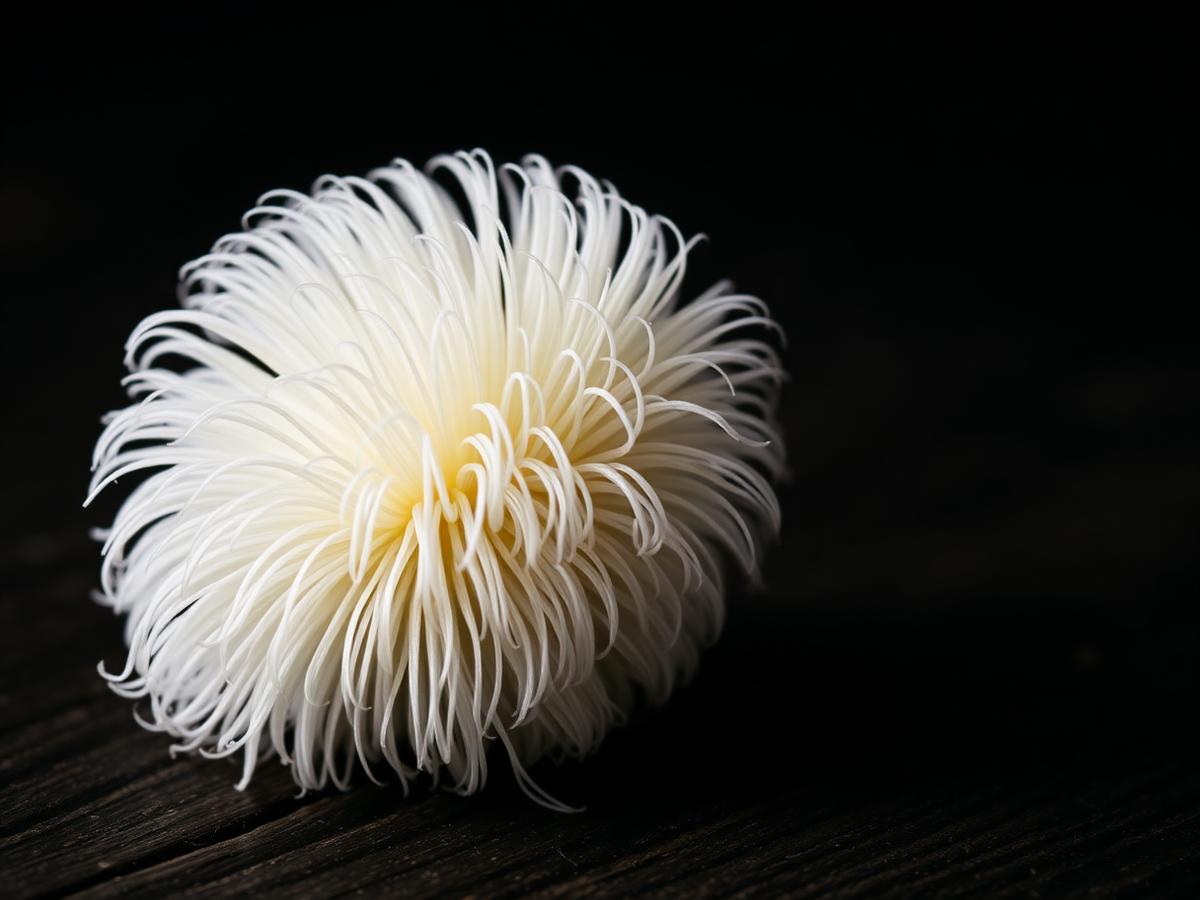
Lion's Mane (Hericium erinaceus) is a striking white mushroom that grows in soft cascading spines on hardwoods. It is also one of the few natural compounds shown to influence nerve growth factor (NGF) in laboratory studies, which is part of why it has captured so much attention in recent years.
The two compound families most discussed are hericenones, found in the fruiting body, and erinacines, concentrated in the mycelium. Both have been shown in vitro to stimulate NGF synthesis. NGF is a protein that supports the growth, maintenance and survival of neurons, which is to say it helps your brain stay healthy and adaptable as you age.
Human research is still early, but the early signs are promising. A Japanese trial in older adults with mild cognitive impairment found measurable improvements in cognitive function after sixteen weeks of daily Lion's Mane, with effects fading once supplementation stopped. Other small studies report improvements in mood, focus and recovery from minor nerve injury. It is not a miracle. It is a quiet, steady kind of support.
We use the fruiting body for our tincture because it is the part with the longest history of human use and the clearest hericenone profile. Most people notice a subtle lift in mental clarity within two to four weeks of daily use. Not a stimulant kick, more like the fog you did not realise was there slowly lifting.
Keep reading
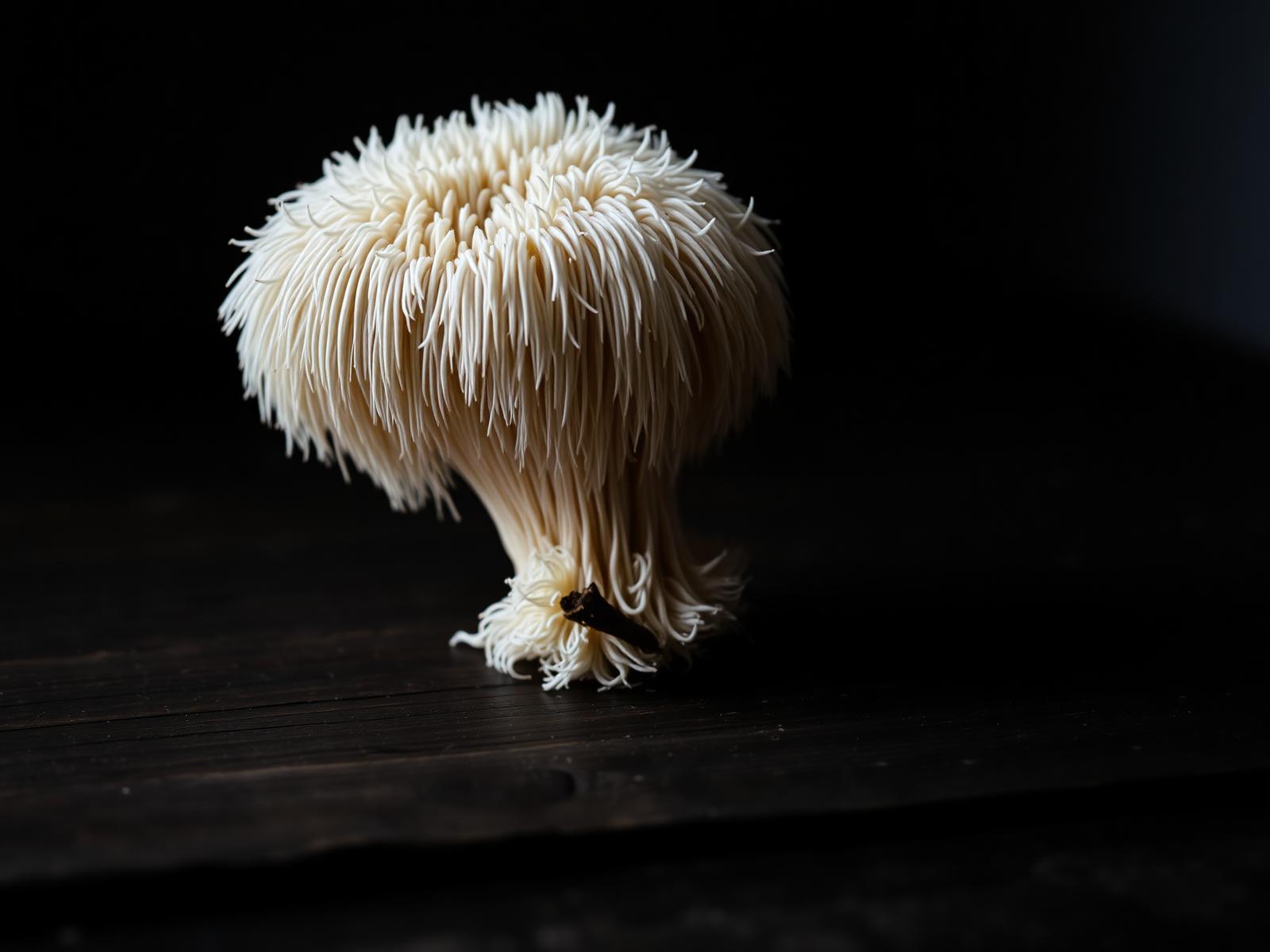
Lion's Mane: The Brain-Boosting Mushroom You've Probably Never Heard Of

Reishi: The "Mushroom of Immortality" for Modern Day Calm
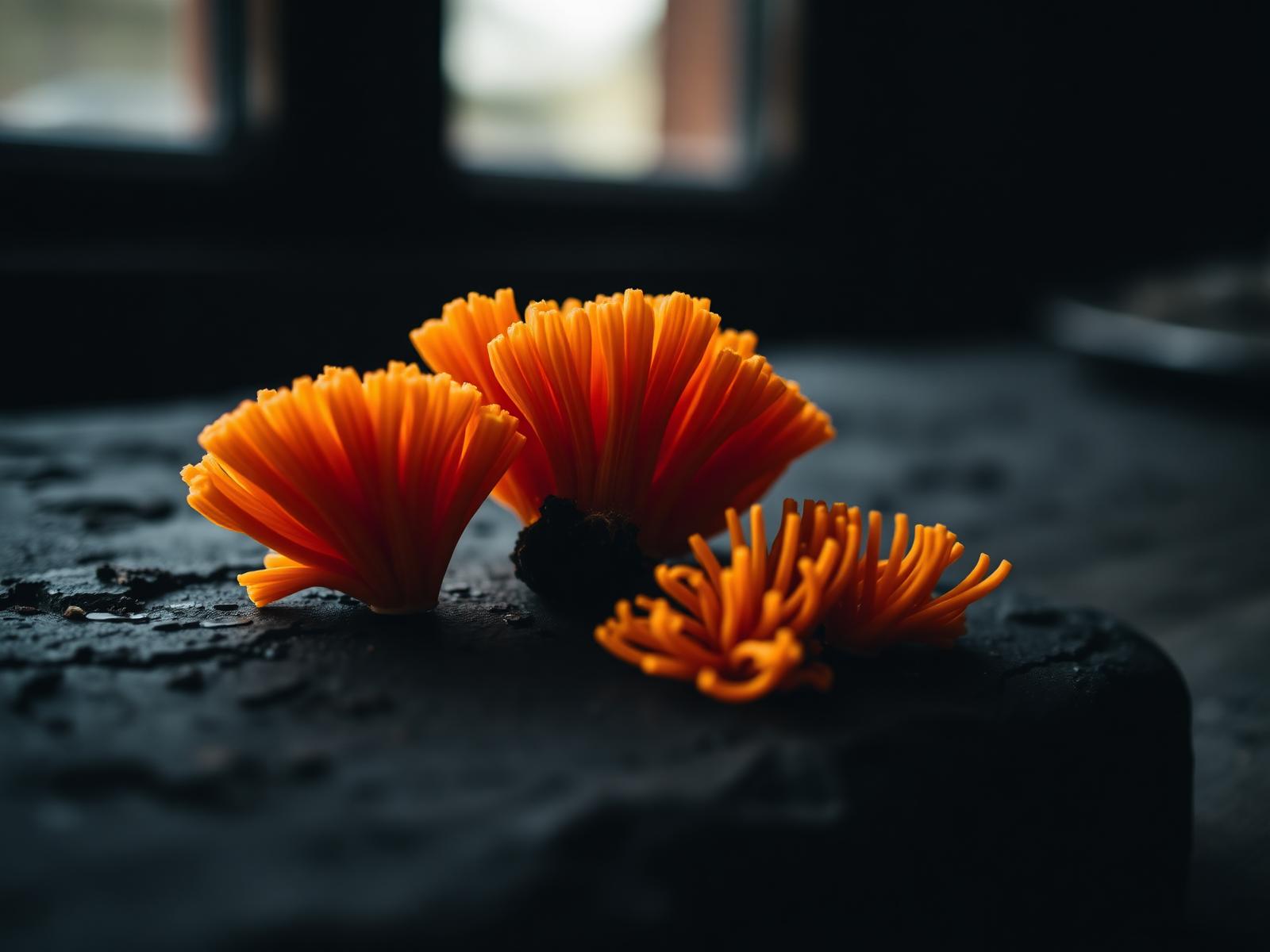
Cordyceps: The Ancient Energy Mushroom Athletes Swear By
Reishi for Men and Women: A Complete Guide to the Benefits

The Power of Reishi for Stress and Sleep